

Kids Room
Explore our complete collection of museum-quality canvas art. Each piece is printed on premium 340gsm cotton canvas with archival inks.
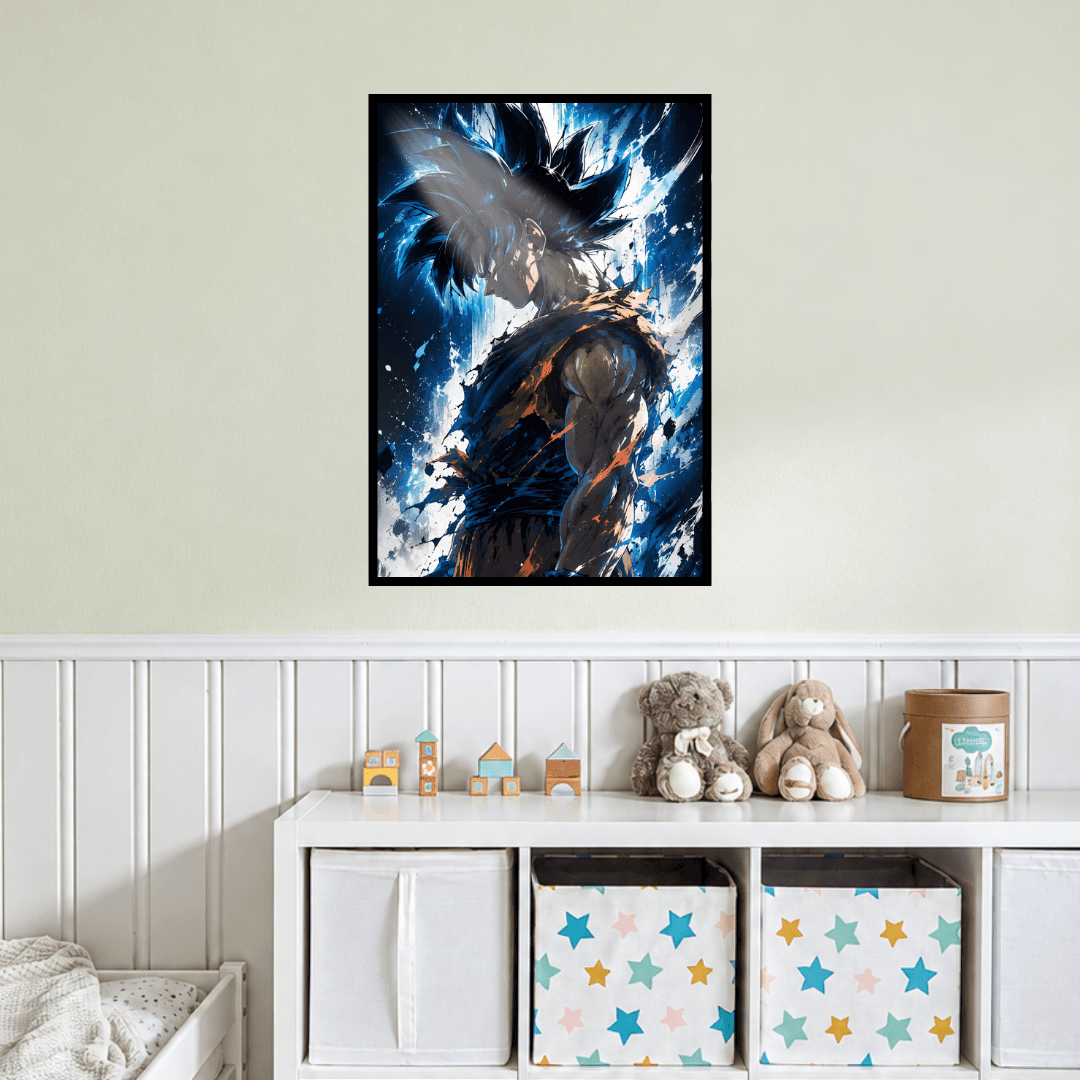 Best Seller
Goku's Unlimited Power

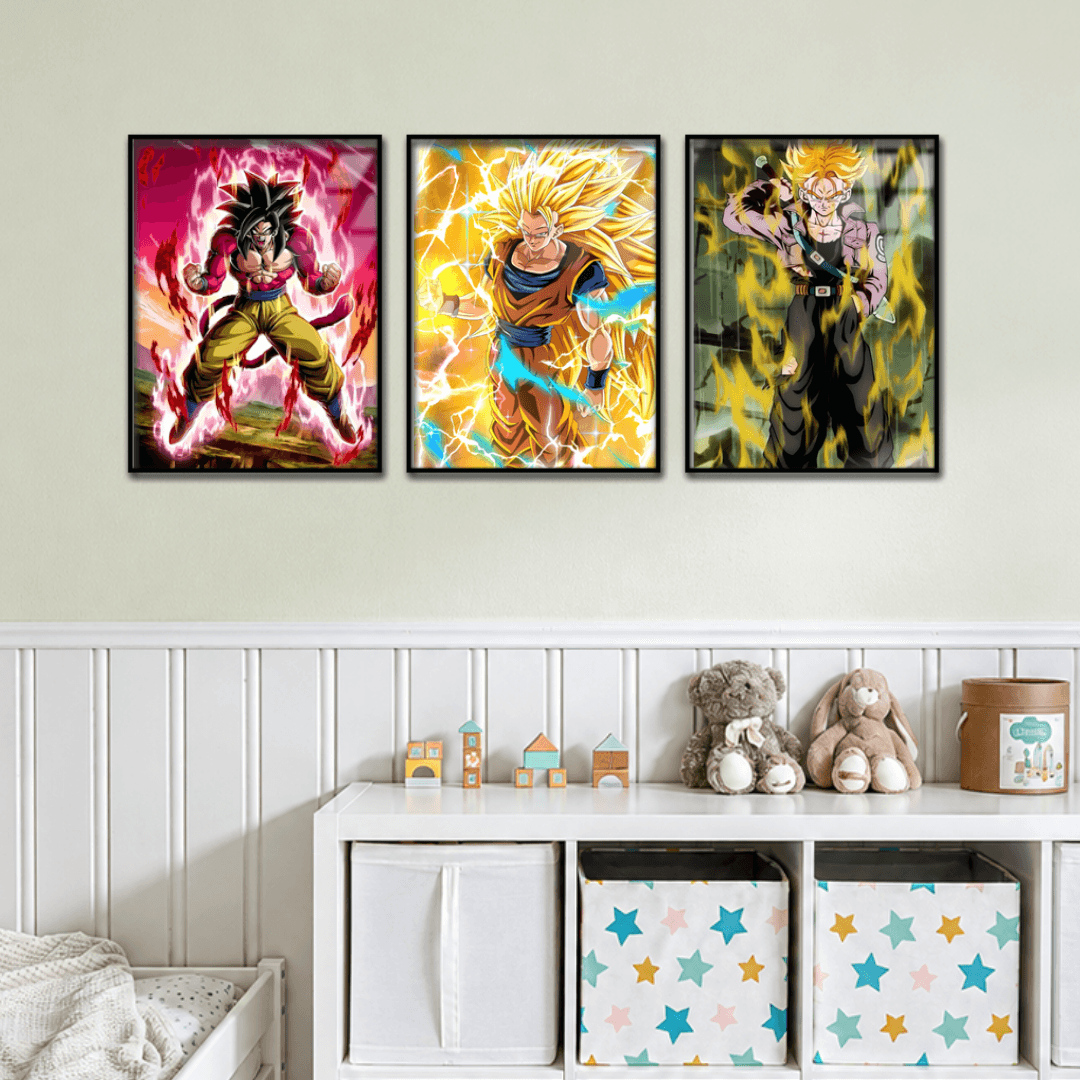 New
Super Saiyan Collection (3-piece set)
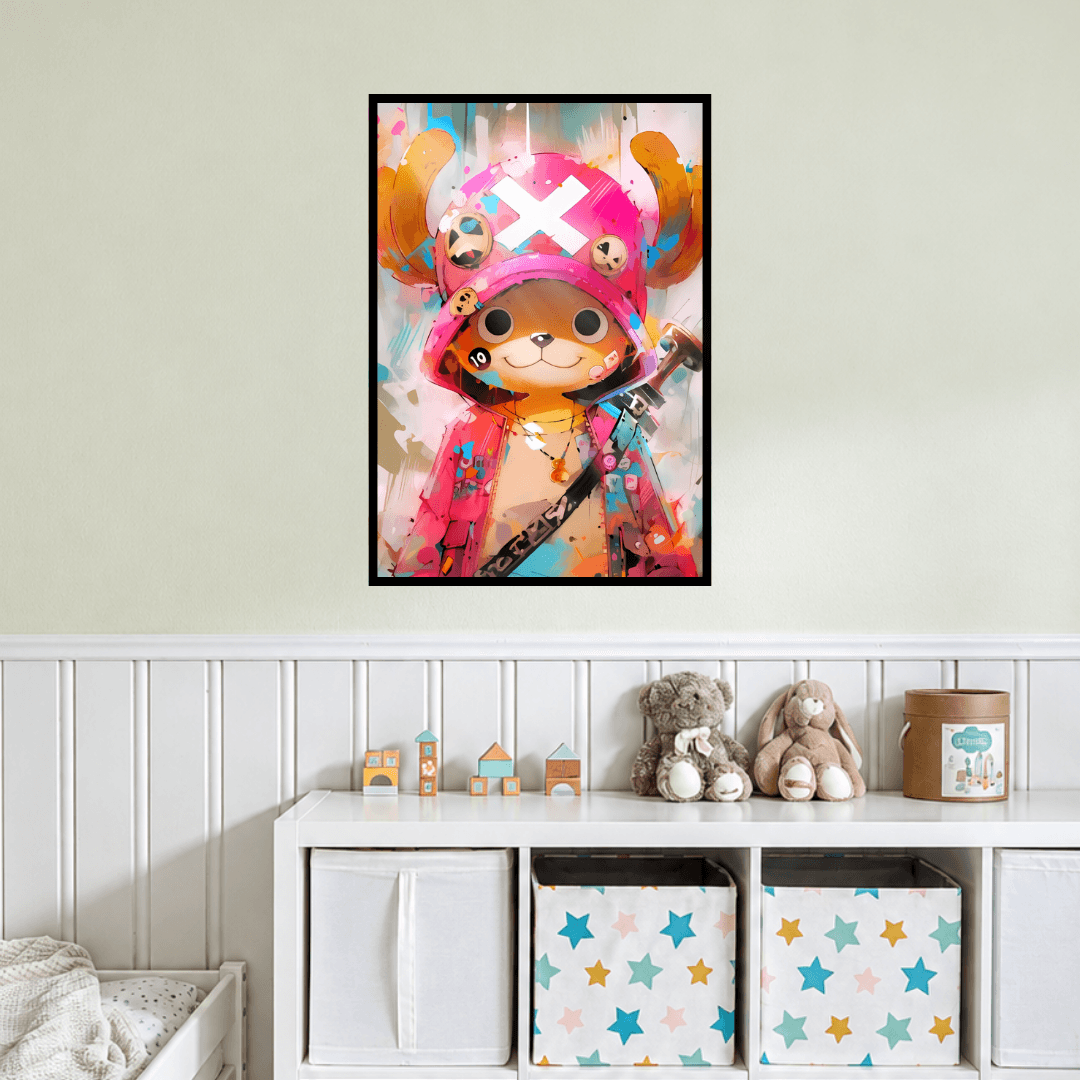 Best Seller
Anime Character 3 Wall Art
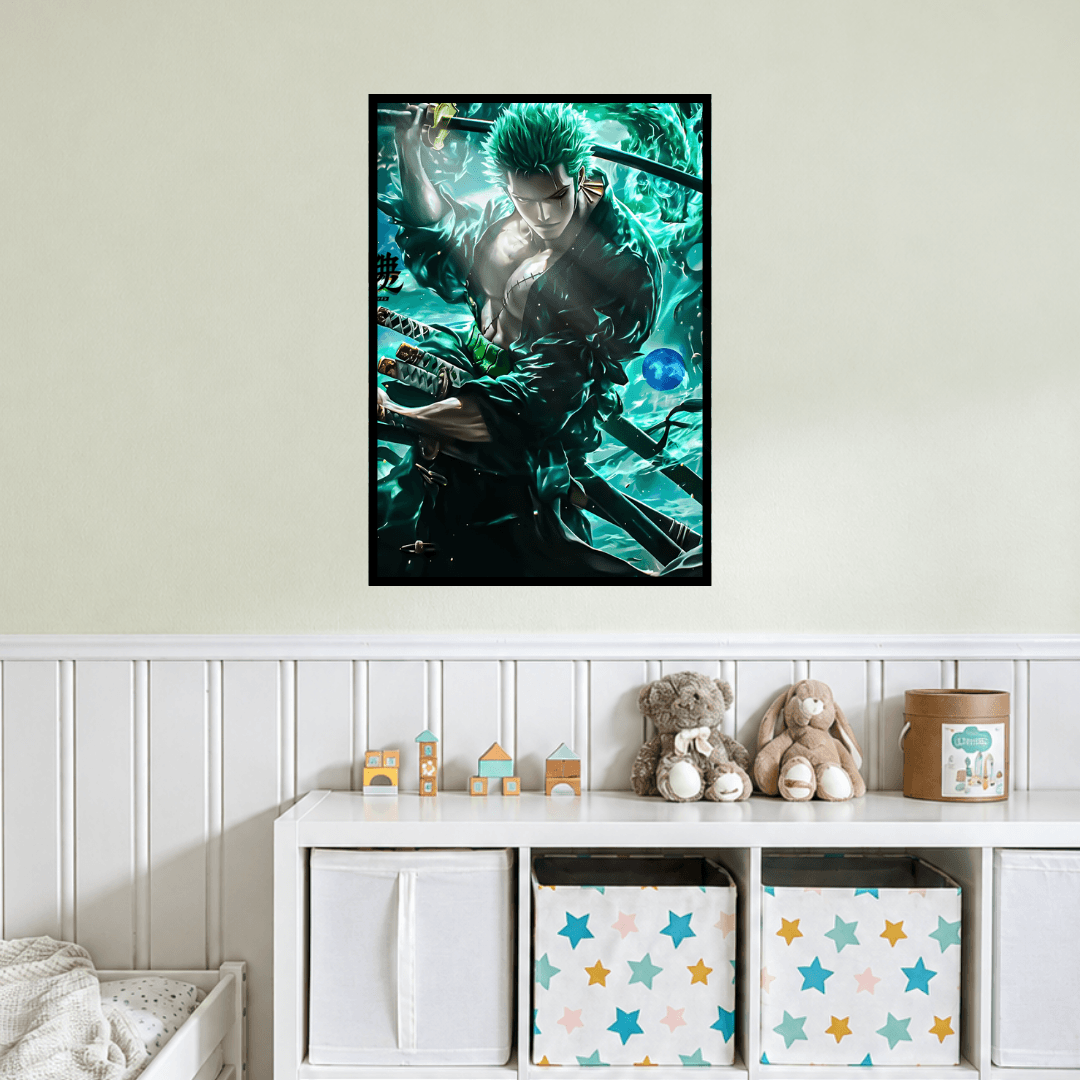 Best Seller
Anime Character 1 Wall Art
 Best Seller
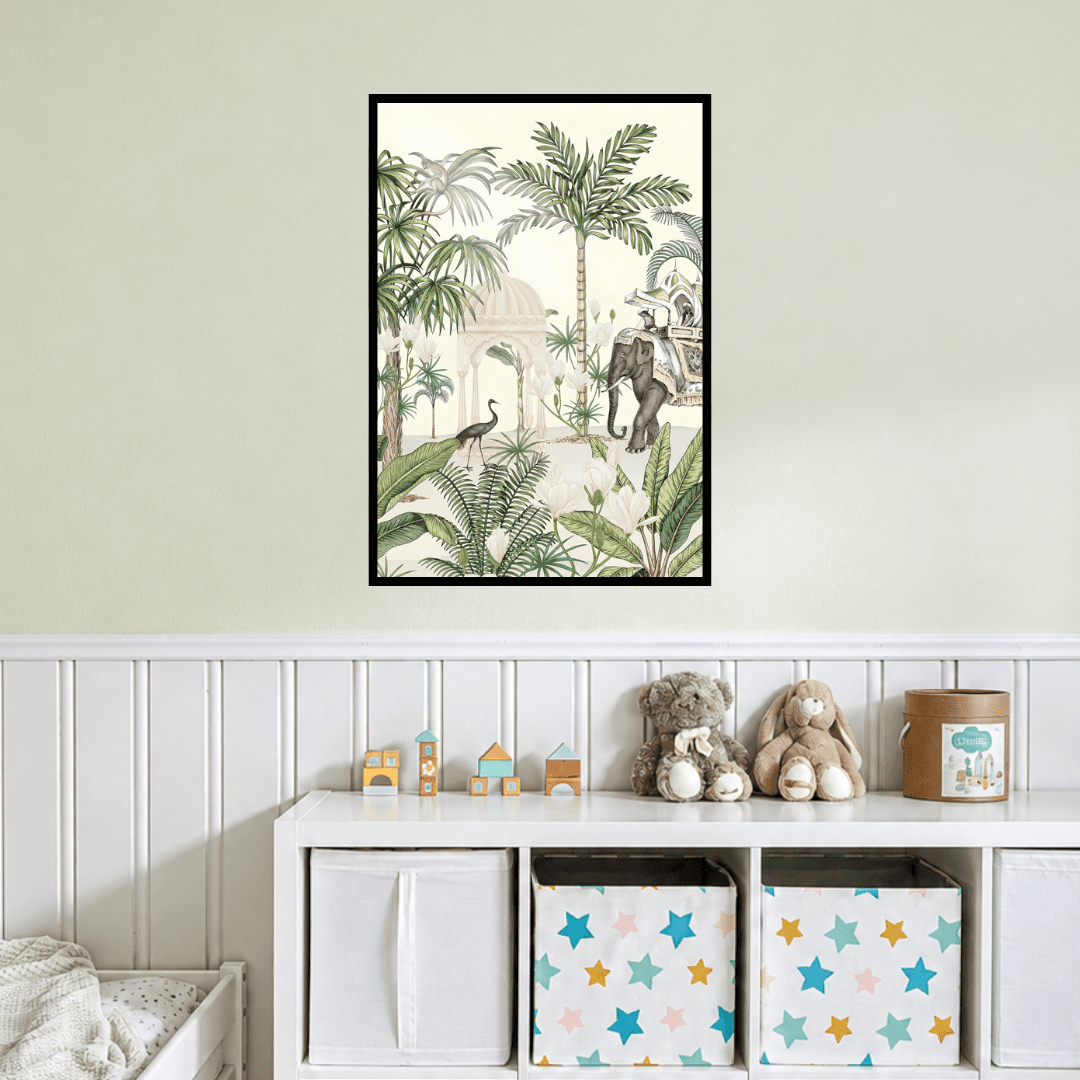
Sunday Walk Mural
 New
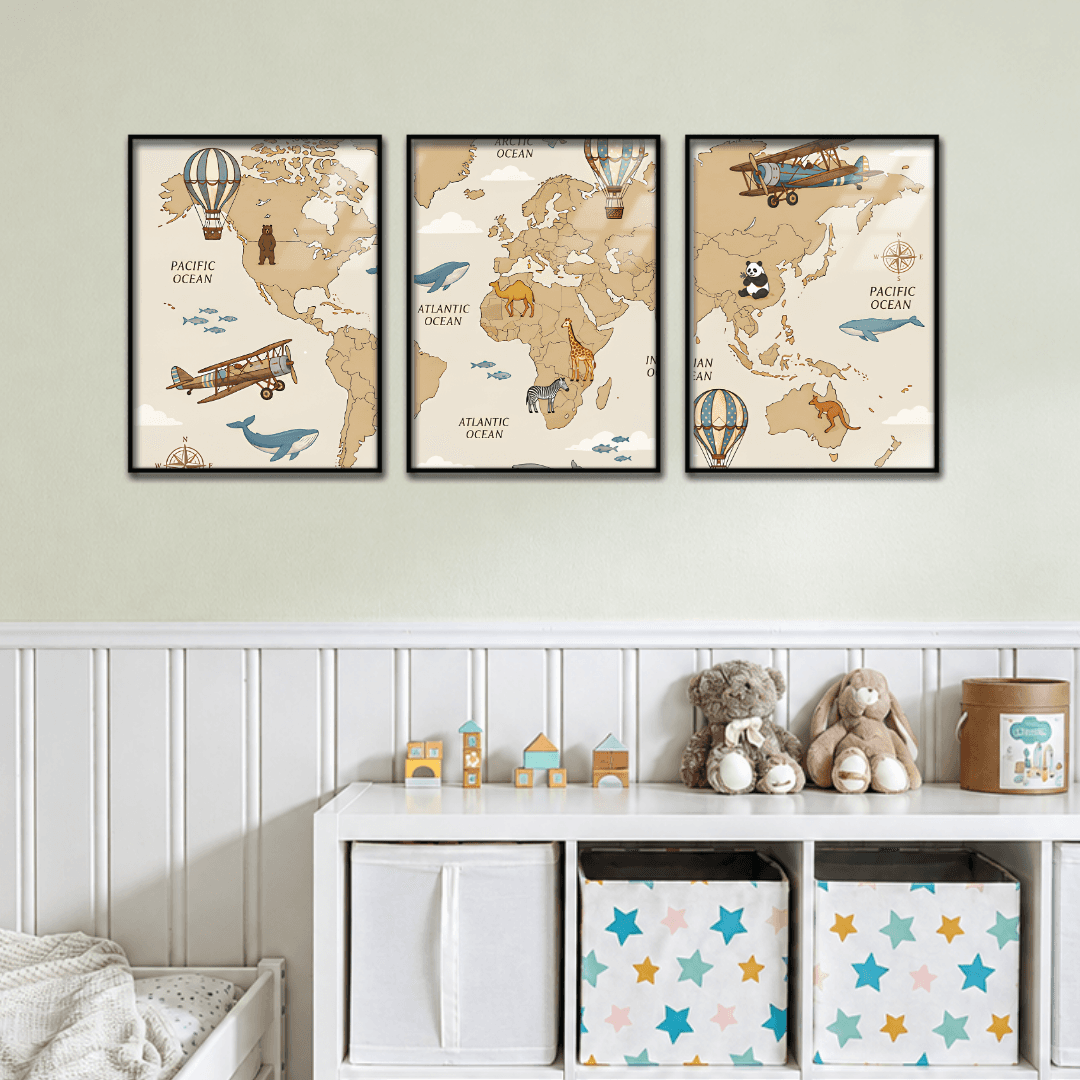
World Map Wall Art (3-piece set)
 New
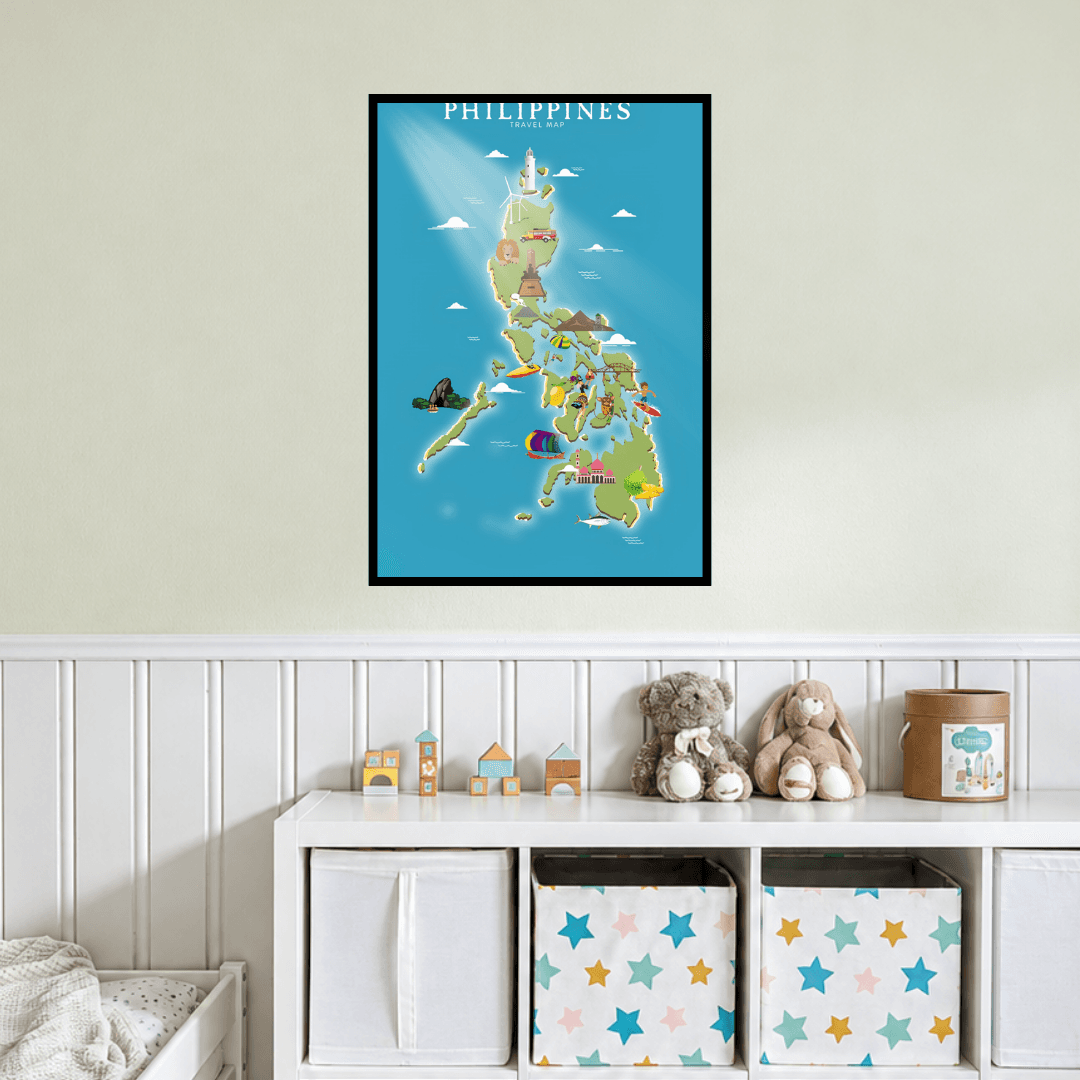
Symbols of Philippines
 New
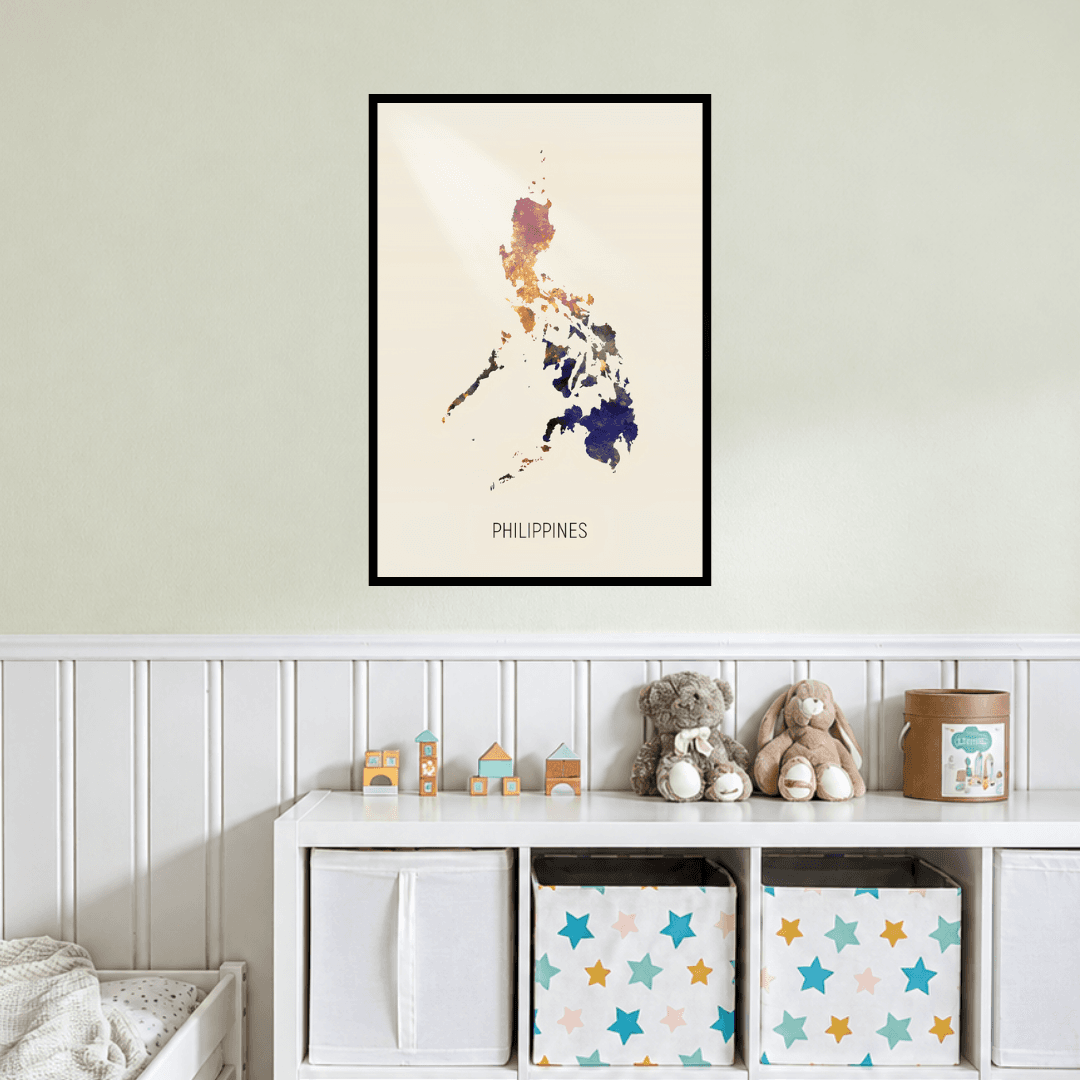
Philippines Map Wall Art
A child’s room changes faster than any other room in the house. The nursery becomes a play space, then a homework corner, then a room your child wants to make entirely their own. This collection brings together decor designs suited to kids’ rooms, from maps that spark questions about the world to bright, cheerful scenes. Use the filters to narrow down by orientation, style, and color. Each design is UV-printed on the back of a clear acrylic panel for a glossy, mirror-like depth.
Choosing Art That Grows With Your Child
Most parents have lived through it: the poster that was a favorite at five is an embarrassment at nine. Children’s tastes move quickly, and a room decorated entirely around one phase tends to need redoing just as often. That doesn’t mean you should avoid what your child loves right now. It means it helps to think in layers.
One approach that works well is to choose one anchor piece with lasting appeal and let the rest of the room follow the current phase. Maps are a good example. A World Map Wall Art 3-piece set suits a seven-year-old learning country names and still looks at home on the wall of a teenager planning where they want to travel. Nature scenes and simple landscapes age just as gracefully. Smaller, cheaper-to-change items like bedding, cushions, and stickers can then carry the theme of the moment.
Here is a rough guide to what tends to work at different ages. Every child is different, so use it as a starting point rather than a rule:
|
Stage |
What tends to work |
Things to keep in mind |
|---|---|---|
|
Baby and toddler (nursery) |
Soft colors and simple, calm images. At this age the art is mostly for the parents who spend hours in the room. |
Keep art well away from the crib and changing area. |
|
School age |
Maps, animals, nature, and bright scenes they can talk about and ask questions about. |
Hang it where they can see it from the bed or desk, away from furniture they climb. |
|
Preteen |
Increasingly their own choices. Kids’ themes may start to feel too young. |
Pick pieces that could move into a teen bedroom later. |
Where to Hang Art in a Child’s Room, Safely
In a kids’ room there are two goals that pull in opposite directions. You want the art low enough that a child actually sees it, since a picture hung at adult eye level is mostly looking at the ceiling from their point of view. But you also want it out of reach of curious hands and climbing feet. The way to reconcile the two is to choose the spot carefully, rather than just changing the height.
A few points make the biggest difference:
- Keep art away from cribs and bunk beds. Children pull themselves up on crib rails and climb ladders, and a frame within reach becomes something to grab. A wall the child faces from the bed is a better spot than the wall directly above it.
- Avoid walls next to climbable furniture. Low shelves, toy chests, and desks are often used as steps. Art beside or above them is easier to reach than it looks from where an adult stands.
- Fix the hook to suit the wall. Each piece comes with a plastic wall hook and nail and uses a lightweight composite frame, but how well any hook holds depends on the wall behind it. Concrete, plywood, and drywall each need the right hardware.
- Test it after hanging. Give the frame a firm downward tug. If it shifts, fix it properly before the child does the test for you.
There is no glass pane in these pieces. The front is a clear acrylic panel with the image printed on its reverse side, which helps keep the overall weight down. Even so, any wall decor in a child’s room should be treated as something to secure, not something to assume is safe.
Using Wall Art to Spark Curiosity
A picture that a child looks at every day becomes part of how they think about the world, so it is worth choosing images that invite questions. Maps do this naturally. A child who wakes up facing the Philippines Map Wall Art will sooner or later ask where Grandma lives, where the family went on vacation, or why some islands are so much bigger than others. Those questions turn into conversations, and the map becomes something you use together rather than just decoration.
The same goes for art that shows familiar places and traditions. Symbols of Philippines gives children something recognizable to point at and talk about, while a lively everyday scene like the Sunday Walk Mural can be a prompt for made-up stories at bedtime. None of this replaces reading or school, of course. But a wall that gives a child something to wonder about is a better use of the space than one that just matches the curtains.
Letting Your Child Help Choose
Children who help pick the art for their room usually care about it more, and they are less likely to want it replaced six months later. The trick is to offer a choice without offering everything. Shortlist two or three designs you are happy with, in sizes that suit the wall, and let your child make the final call. They get a real say; you avoid the request for something that would overwhelm a small room.
If siblings share a room, the conversation gets more interesting. A neutral anchor piece in the middle, like a map or a landscape, can give the room a shared identity, while each child chooses a smaller piece for their own side. That gives each child a corner that feels like theirs without turning the room into two competing displays.
FAQs
Still deciding? Send a photo of the wall and its measurements through our contact page, and we can suggest designs and sizes that suit the room. For older children who have outgrown kids’ themes, our bedroom wall art may be a better fit, or you can browse all our wall art by room.
FAQs
Because the image is printed on the back of the acrylic panel, fingerprints and smudges sit on the front surface rather than on the print itself. Wipe gently with a soft, slightly damp cloth. Avoid harsh cleaners, solvents, or rough sponges, which can dull the glossy finish.
Yes. With Personalized Art, you send a photo, such as a newborn portrait, a first birthday, or a family day out, and our team prepares a design preview for you to approve before printing. Under our Privacy Policy, images you upload are used only to make your order and are never used for marketing without your clear written consent.