

Kitchen/Dining
Explore our complete collection of museum-quality canvas art. Each piece is printed on premium 340gsm cotton canvas with archival inks.
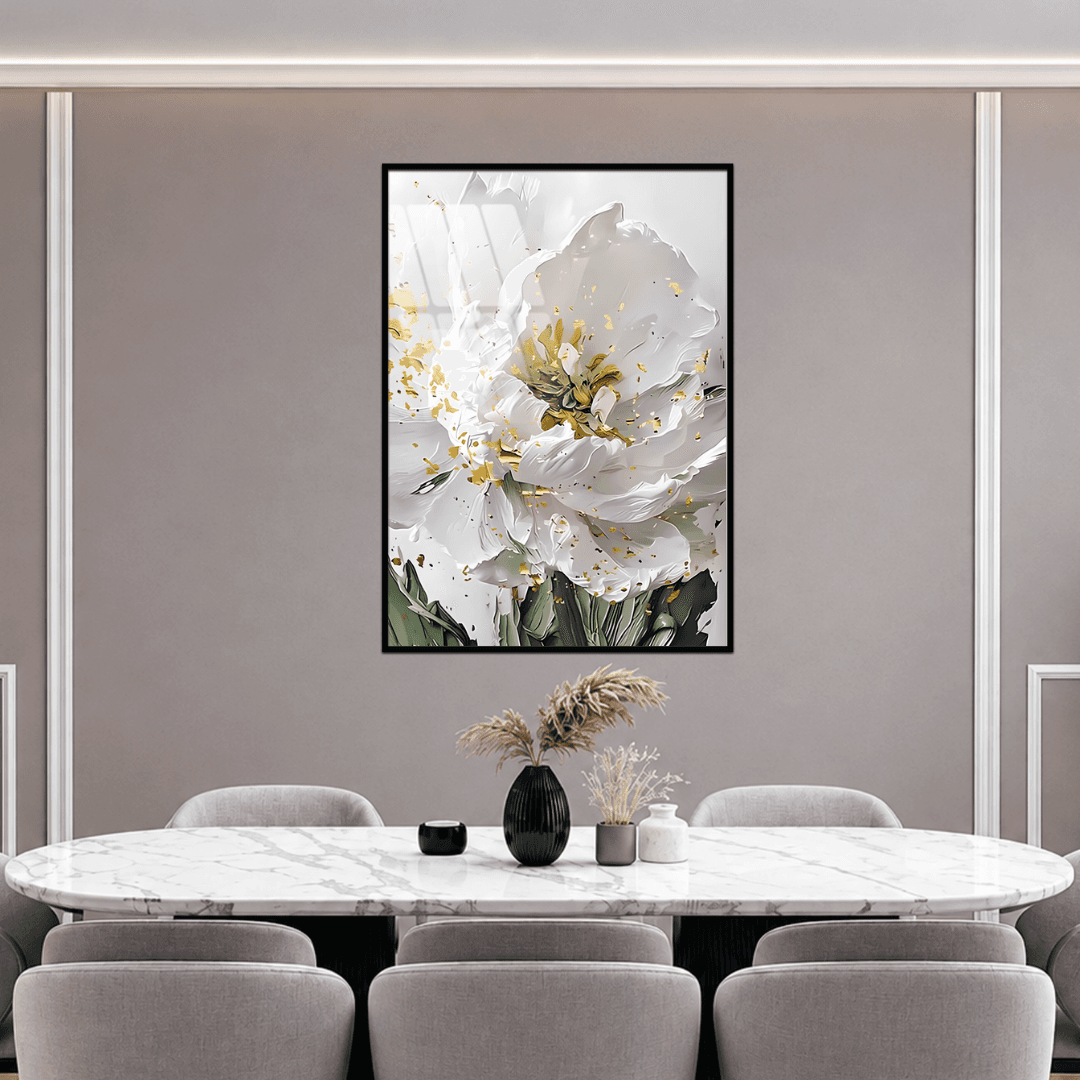

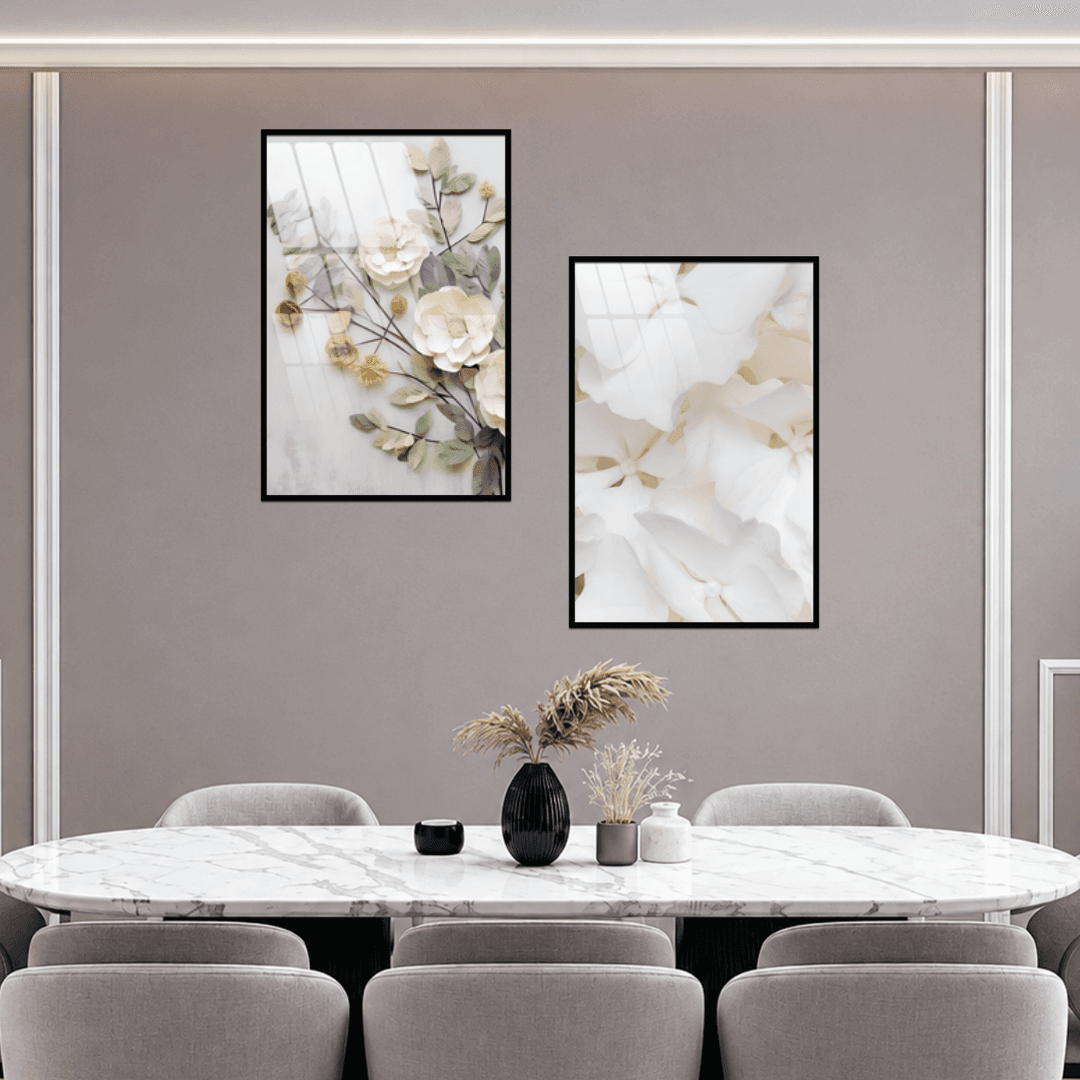
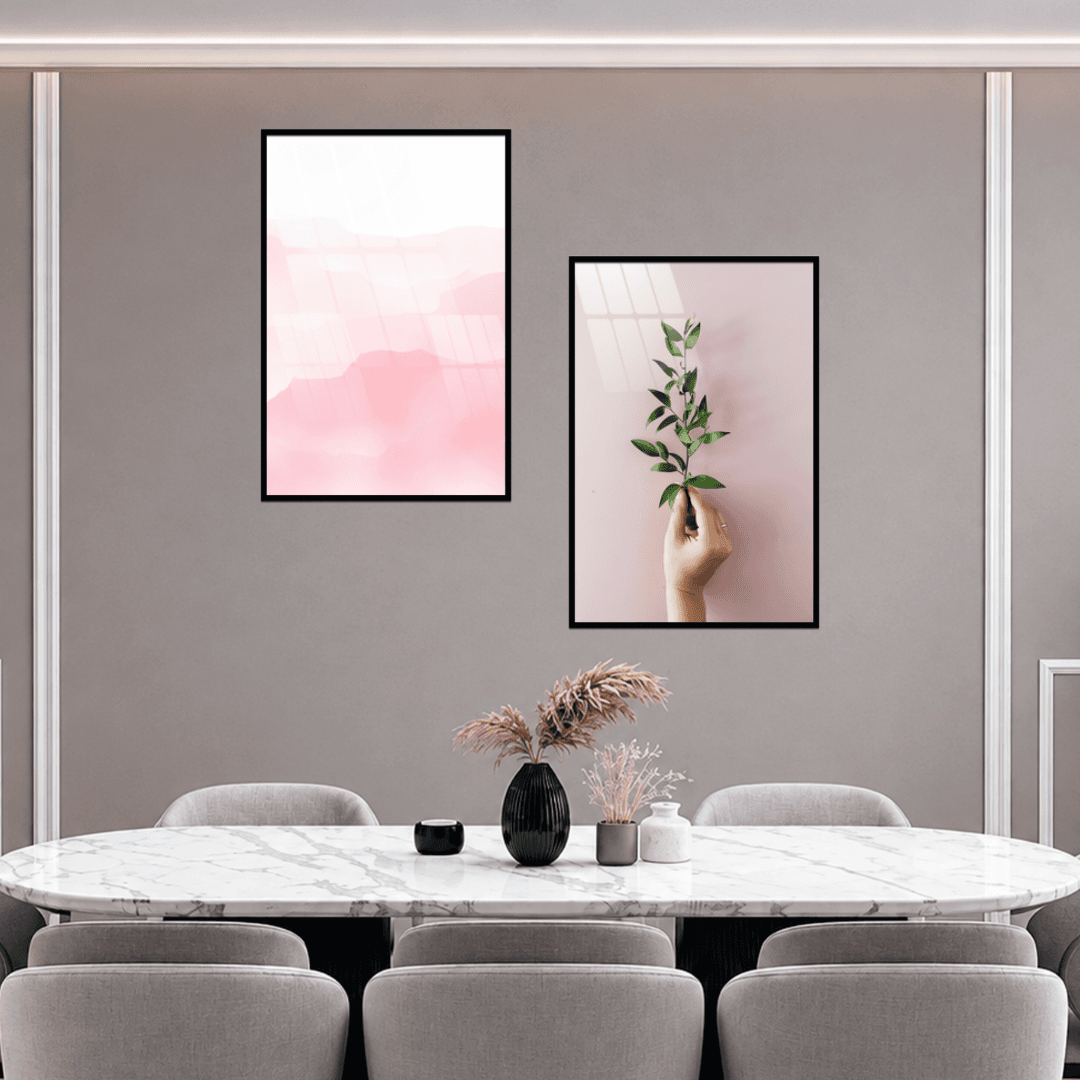
The dining table is where many households gather every day, for quick breakfasts, long weekend lunches, and the occasional celebration. Art on the wall beside it shapes how that space feels while you sit and talk. This collection brings together decor designs suited to kitchens and dining areas, including single pieces and 2-piece sets. Use the filters to narrow down by orientation, style, and color. Each design is UV-printed on the back of a clear acrylic panel for a glossy, mirror-like depth.
Where art works best in a kitchen or dining area
In most homes, the dining wall is the better place for art than the kitchen itself. People sit at the table for a while, often facing one wall, so a piece there is actually looked at rather than glanced at in passing. Because everyone is seated, the art is seen from a lower eye level than in a living room, which is worth keeping in mind when you decide how high to hang it.
The kitchen usually has less free wall than it seems. Cabinets, shelves, tiles, the refrigerator, and appliances take up most of the surface, and the walls that remain are often close to the stove or sink. Good spots tend to be the end wall farthest from the cooking area, the wall above a small breakfast table, or the space beside a pantry or doorway. In open-plan homes where the kitchen can be seen from the living room, a piece on the dining side can also act as a visual divider, marking where the eating area begins.
Keeping art away from steam splashes and heat
Kitchens are harder on wall art than any other room in the home. Boiling pots and rice cookers release steam, frying sends fine drops of oil into the air, and the area around the stove and oven gets hot. The acrylic face protects the printed image from everyday dust and fingerprints, but the whole piece, including the frame and backing, should not sit where it is regularly exposed to moisture or heat. Our Return & Warranty Policy covers manufacturing defects but does not cover damage from water exposure, high humidity, or heat sources.
In practice, this means keeping art clear of the wall directly beside or above the stove, the splash zone around the sink, and the path of steam from a rice cooker, kettle, or microwave vent. A useful rule of thumb: if a paper calendar hung in that spot would curl, stain, or collect grease, the spot is too exposed for art. The dining side of the room is almost always the safer choice.
Even in a well-chosen spot, kitchen air leaves a light film on surfaces over time. Wipe the acrylic face with a soft, slightly damp cloth a little more often than you would in other rooms, and avoid strong degreasers or rough sponges, which can dull the glossy surface.
Sizing art to your dining table and sideboard
Above a dining area, the furniture is your guide. If the table stands against the wall, measure its length along that wall; if a sideboard or buffet cabinet sits there instead, measure that. Art spanning roughly half to two-thirds of that length tends to look balanced. A small piece over a long table looks lost, while art wider than the furniture makes the arrangement feel top-heavy, especially in a narrow dining area.
|
Length of table or sideboard |
Arrangement to consider |
|
Under 100 cm (small round or 2-seater table, breakfast nook) |
One 12 x 16 in (30 x 40 cm) or 16 x 24 in (40 x 60 cm) piece |
|
100–160 cm (4- to 6-seater table, standard sideboard) |
A 2-piece set, or one 20 x 28 in (50 x 70 cm) landscape piece |
|
Over 160 cm (long table, wide buffet cabinet) |
A 3-piece set, or a 2-piece set in a larger size |
Two-piece sets suit rectangular tables particularly well, because the pair echoes the long shape of the table. As an example, two 40 x 60 cm pieces hung with a 10 cm gap span about 90 cm, which sits comfortably above a table around 140 cm long. Exact dimensions for each design are listed on its product page.
Since people view dining art while seated, hang it a little lower than you would above a sofa, with a modest gap above the sideboard or the back of the chairs. Check that chair backs will not knock the frame when people stand up and push their chairs back.
Choosing designs that suit mealtimes
Floral designs are a natural fit for dining spaces. They bring in color and a sense of freshness without demanding attention during a meal, and they sit well alongside plates, plants, and table linen. Our floral wall art ranges from soft ivory blooms to brighter themes such as sunflowers.
When coordinating colors, look at the things that define the room: cabinet doors, wall tiles, the wood of the table, or the tableware you use every day. A piece that repeats one of those colors will feel planned rather than added. Pay attention to lighting as well. Many kitchens use cool white ceiling lights, under which soft creams and pale pinks can look flatter than they do in daylight, so designs with a little more color depth often hold up better.
The dining area is also where families mark meals, prayers, and occasions, so meaning can matter here as much as color. Some Catholic households hang a religious image above the dining table, and our Catholic art collection includes designs that suit that wish. Others choose fish motifs from our auspicious fish art, which are traditionally associated with abundance; these are symbolic choices rather than promises of any outcome. If a family photo from a shared meal or celebration means more to you, Personalized Art lets you send your own image and approve a design preview before printing.
Need help choosing kitchen or dining wall art
Send a photo of your dining wall with the table or sideboard measurements through our contact page, and we can suggest designs and sizes that fit. Decorating more than one space? Browse all our wall art by room.