

Living Room
Explore our complete collection of museum-quality canvas art. Each piece is printed on premium 340gsm cotton canvas with archival inks.
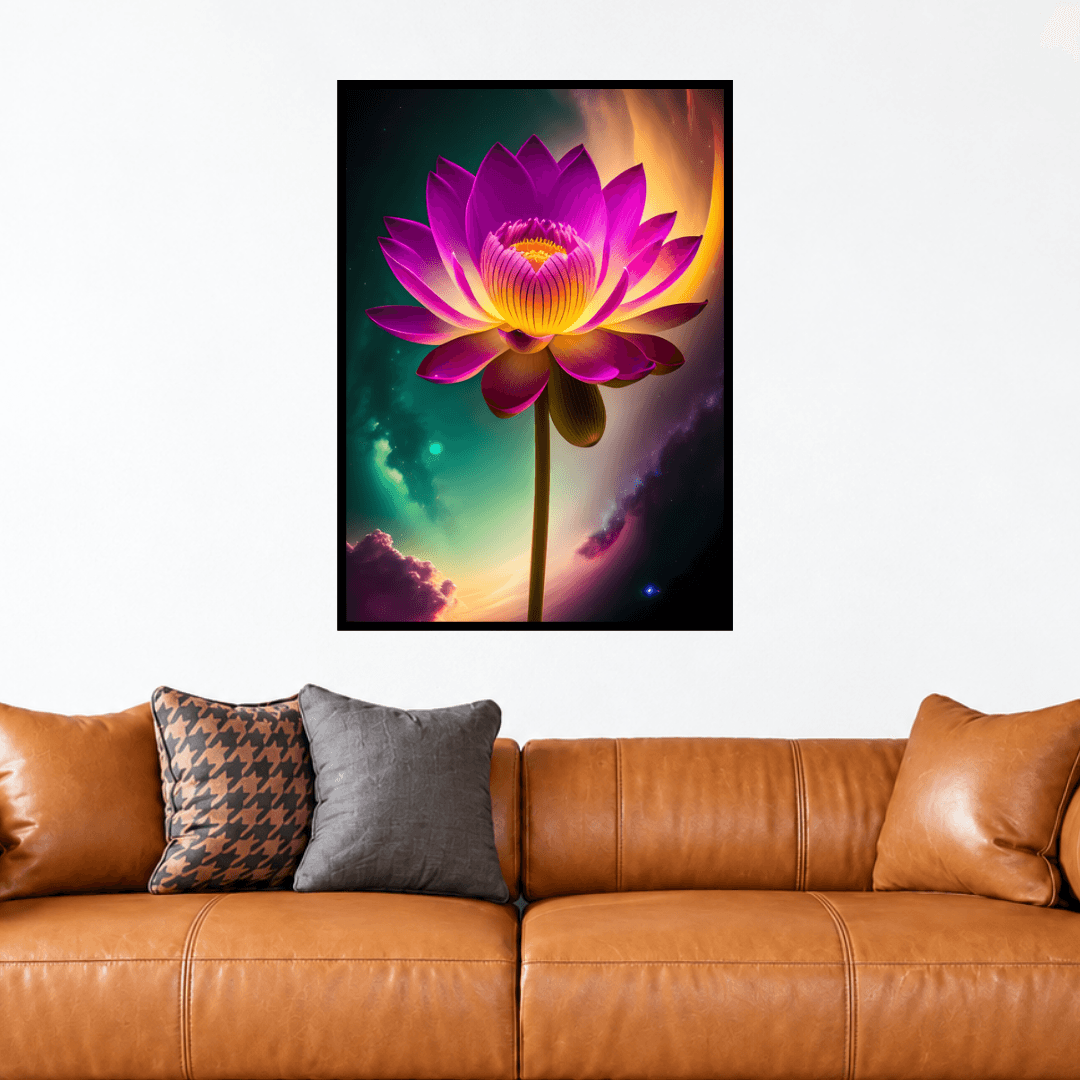 New
Lotus Beauty Harmony

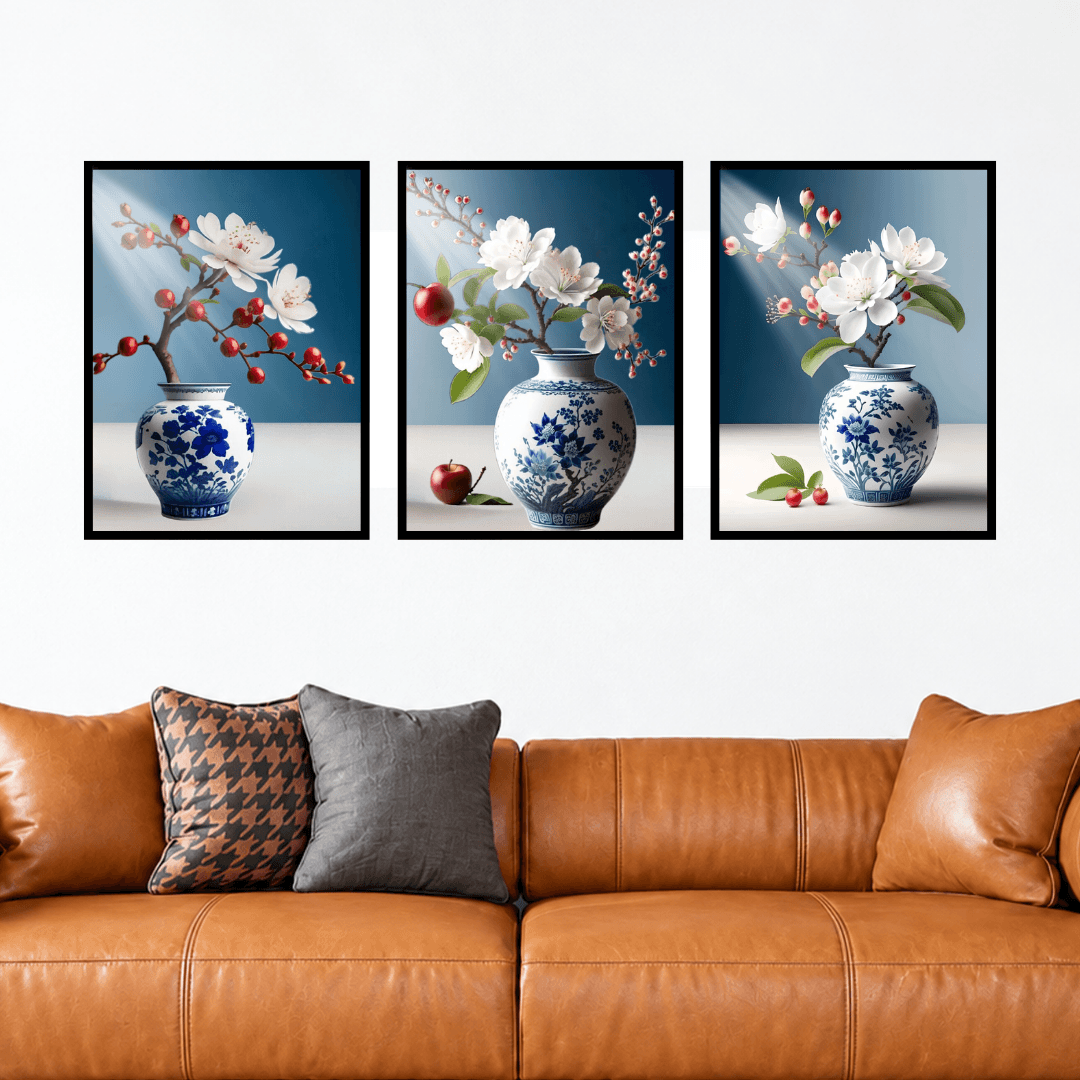 New
Apricot Blossom Vases (3-piece set)
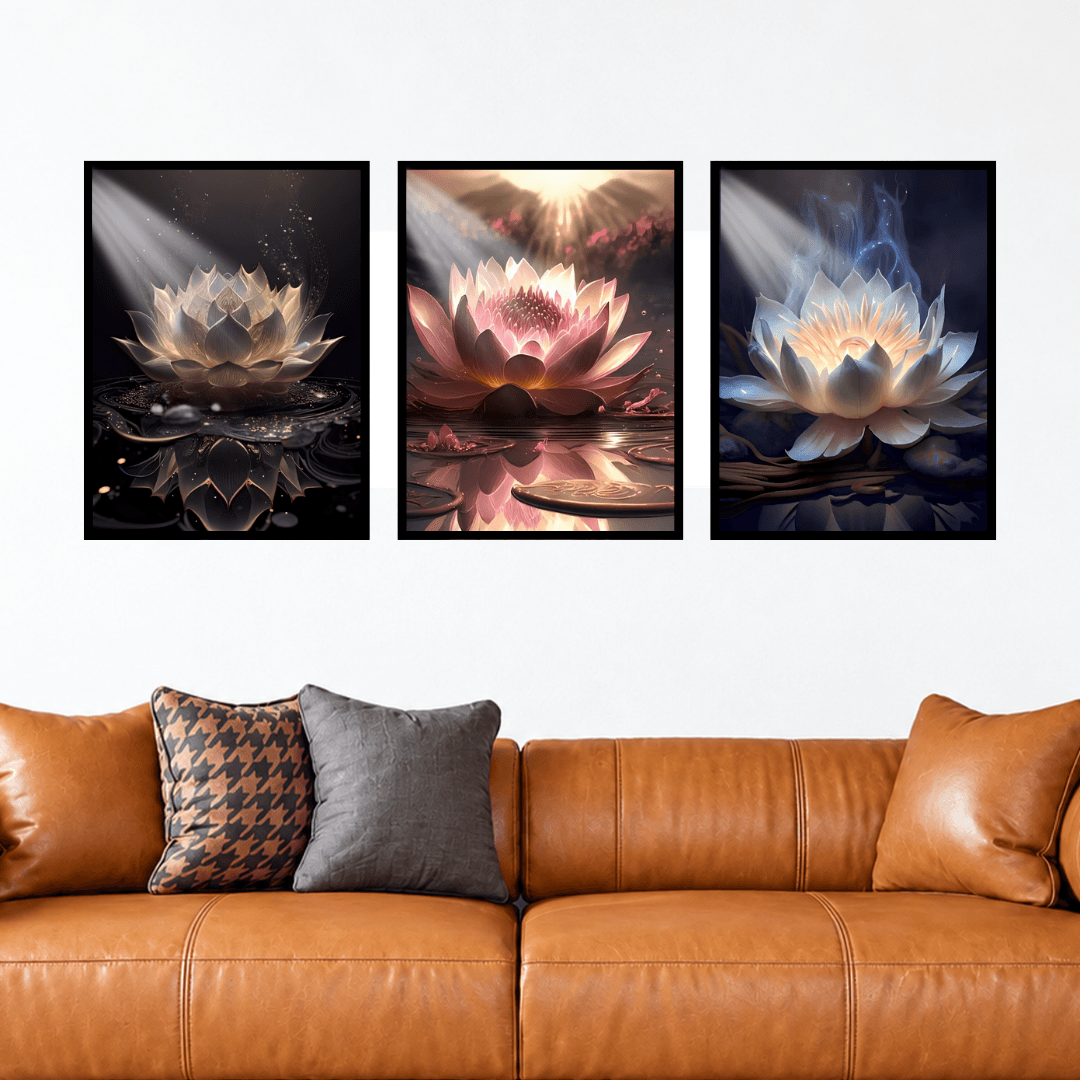 New
Brighten Lotus (3-piece set)
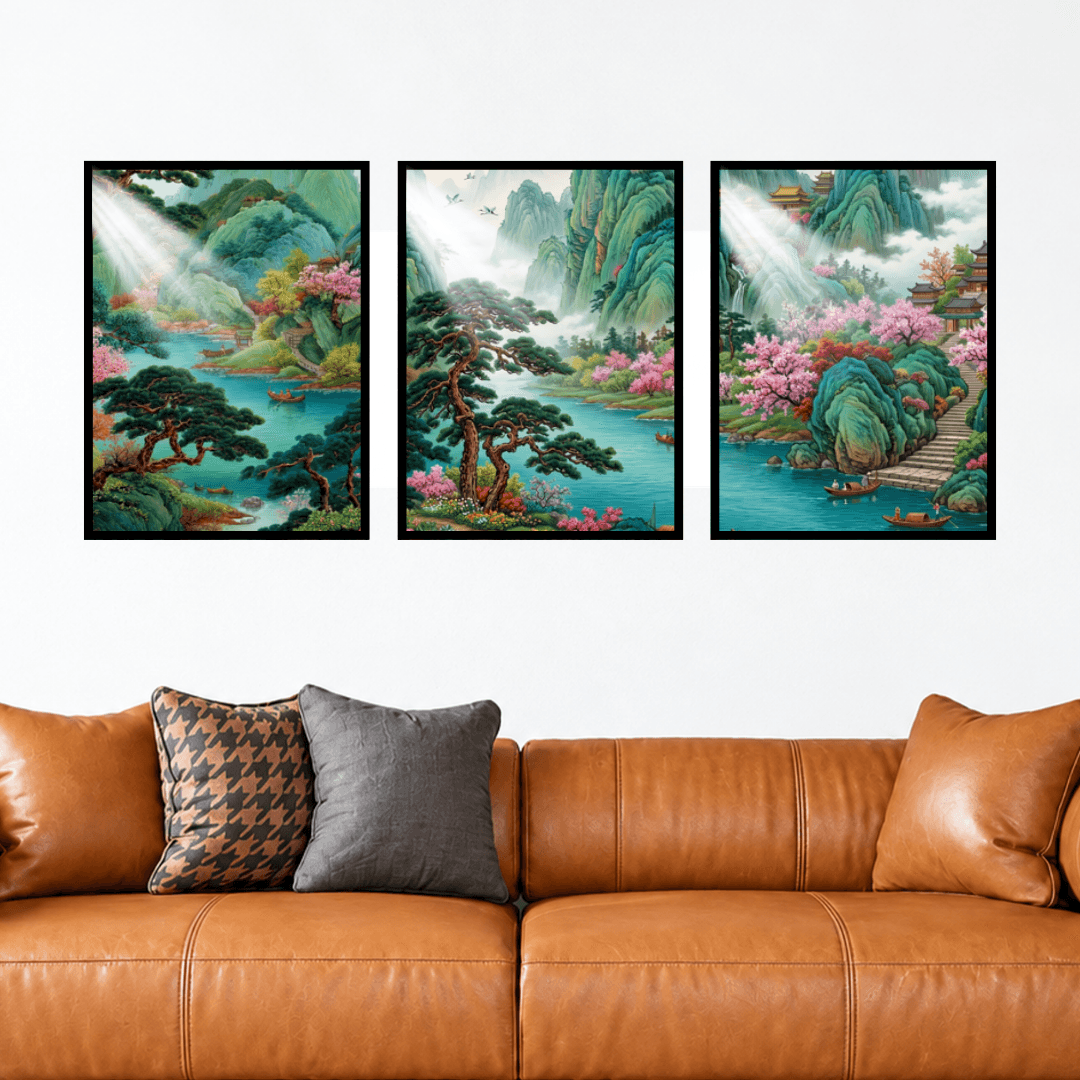 New
Harmony of Mountain Waters (3-Piece Set)
 New
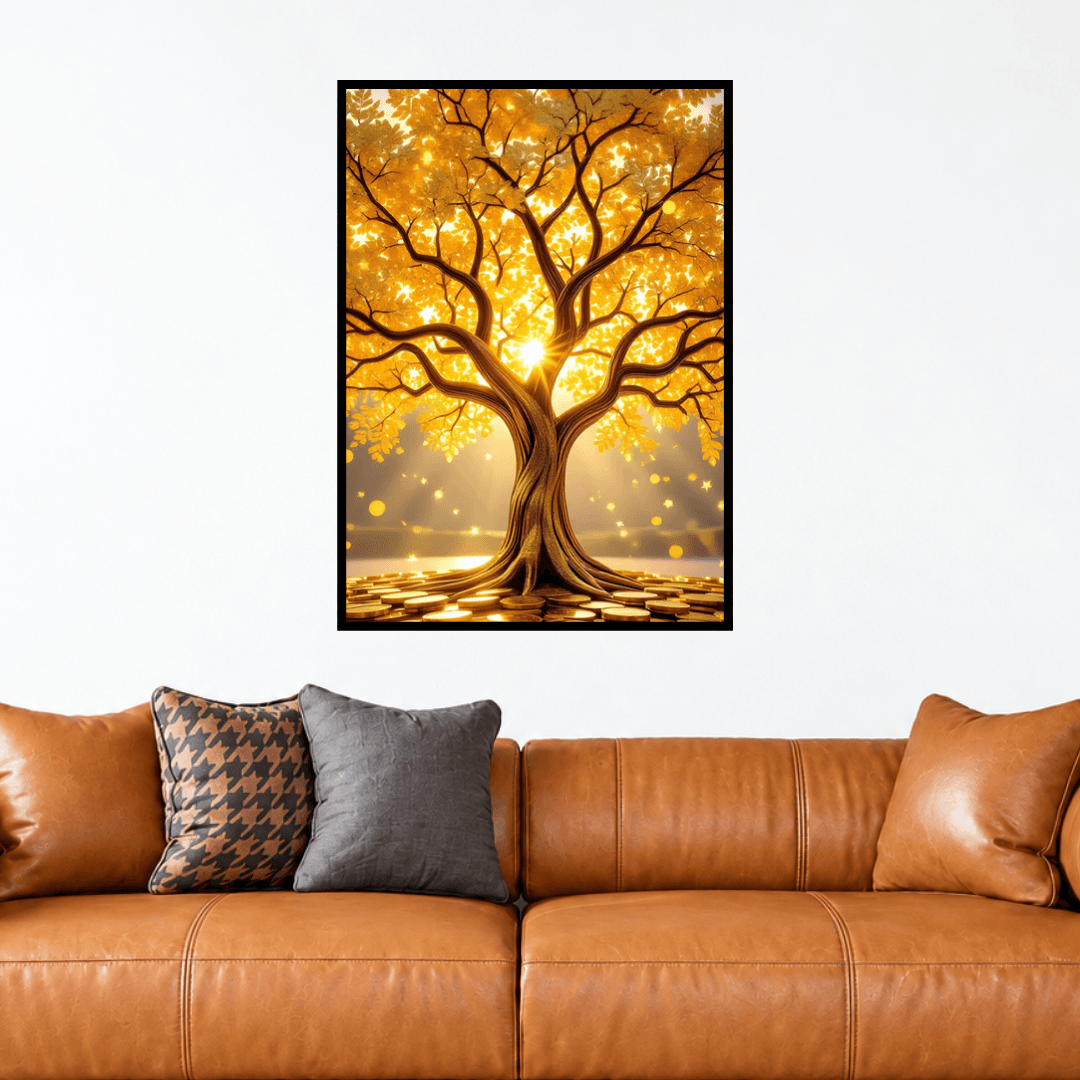
Harvest of Gold
Your living room wall is the one guests notice first and the one your family looks at every evening, so the art you hang there sets the tone for the whole space. This collection brings together decor designs suited to living rooms, from single statement pieces to multi-panel sets for the wide wall above a sofa. Use the filters to narrow down by orientation, style, and color. Each design is UV-printed on the back of a clear acrylic panel for a glossy, mirror-like depth.
Choosing the right wall in your living room
Before you browse designs, decide which wall the art will go on. The spot determines how large the piece should be, whether it runs wide or tall, and how much attention it can draw. In most living rooms, that spot is one of three places.
The wall above the sofa is the most common choice. Center the art on the sofa itself rather than on the wall, since the two are not always the same point when the sofa sits off to one side. A common mistake is hanging the piece too high, where it reads as a separate object floating on the wall instead of part of the seating area.
The TV wall needs a different approach. When the screen is off, it becomes a large dark rectangle. Art beside or above it can soften that block, but a busy, high-contrast design will compete with the screen, so calmer images or a pair of pieces on either side usually sit better. The wall facing the entrance works the other way: everyone sees it on the way in, which makes it the natural place for a bolder piece. If that wall is tall and narrow, a vertical design fills it more convincingly than a wide one squeezed into the space.
How to measure your wall and choose the right size
Many sizing mistakes come from measuring the wall instead of what stands in front of it. A 4 m wall might suggest a very large piece, but if the sofa against it is only 180 cm wide, art sized to the wall will overpower the seating. Start with the furniture: measure the width of the sofa, console, or TV cabinet the art will hang above. Art that spans roughly two-thirds of that width tends to look balanced. Much narrower, and it looks lost; wider than the furniture, and the arrangement starts to feel top-heavy.
Next, check how much room the art actually has. Measure the height from the top of the sofa to the ceiling, and note anything that cuts into the wall, such as light switches, outlets, curtain rods, window frames, or an air-conditioning unit. A wall-mounted aircon unit, for example, can leave far less vertical space than the bare wall measurement suggests.
Once you have a size in mind, cut paper or cardboard to those dimensions and tape it to the wall. Leave it up for a day or two and look at it from the sofa, the doorway, and the dining table, in daylight and under lamps. The table below gives starting points based on the width of the furniture.
|
Width of sofa or furniture below |
Arrangement to consider |
|
Under 120 cm (accent chair, console, narrow wall) |
One 12 x 16 in (30 x 40 cm) or 16 x 24 in (40 x 60 cm) piece |
|
120–170 cm (loveseat or 2-seater sofa) |
One 20 x 28 in (50 x 70 cm) landscape piece, or two matching pieces side by side |
|
Over 170 cm (3-seater, sectional, long wall) |
A 3-piece set, or three or more pieces in a row or grid |
As an example, three 40 x 60 cm panels hung about 5 cm apart span roughly 130 cm, which sits comfortably above a 200 cm sofa. Exact dimensions for each design are listed on its product page.
Using layout to connect your living room space
How you arrange art decides whether the furniture and walls feel like one composed space or like separate items that happen to share a room. Alignment does most of that work. When the outer edges of a set fall inside the ends of the sofa and the arrangement is centered on it, the eye reads the art and the sofa as a single unit.
Layout also shapes the mood of the room. A single centered piece feels calm and orderly, which suits smaller or minimalist spaces. A matching pair works well with symmetrical seating, such as two armchairs on either side of a side table. A 3-piece set carries one image across a wide wall while keeping the arrangement disciplined, so it suits long sofas and sectionals. Whichever you choose, keep the gaps between pieces equal, since uneven spacing makes a grouping look accidental.
In open-plan homes where the living and dining areas share one room, art can also tie the two zones together. Repeating a color, a theme, or a similar style of image on both walls gives the space a sense of continuity.
Coordinating wall art colors with your living room furniture
Art feels chosen for a room when it shares something with what is already there, and color is the easiest link. Pick one or two colors from your cushions, rug, curtains, or plants, and look for designs that repeat them. The match does not need to be exact; a shared accent is usually enough.
It also helps to decide whether the art or the furniture should lead. A neutral sofa in gray, beige, or white leaves room for colorful, expressive art. A patterned or brightly colored sofa already carries a lot of visual weight, so calmer art keeps the room from feeling crowded.
Keep in mind that the room itself changes how colors look. Warm bulbs and wood furniture bring out reds, oranges, and golds, while cool white light makes blues and greens look crisper. Wall color matters too: on a dark wall, lighter designs stand out, while a pale wall gives almost any palette room to show. For modern or minimalist rooms, abstract wall art adds interest without clutter, and warmer, more traditional spaces often suit floral wall art.
Checking for reflections from your everyday seat
The acrylic face gives each piece its glossy depth, but any glossy surface also reflects. A piece that looks perfect from the doorway can catch a window’s glare when seen from the sofa, which is where you will look at it most.
Before hanging, sit in your usual seat and look at the planned spot at the times you use the room most, usually in afternoon sun and again in the evening with lamps on. A simple test is to hold a small mirror or a glossy magazine flat against the wall at that spot. Whatever you see reflected in it from your seat is roughly what the art will pick up.
If you notice glare, small adjustments usually solve it: moving the art a short distance to one side, repositioning a floor lamp, or drawing the curtains at the brightest hour. The placement worth avoiding is directly opposite a large, bright window, where reflections are hard to escape at any time of day.
Choosing art whose meaning fits your household
Living room art is seen every day by everyone in the home and by every guest, so its meaning matters as much as its colors. A design chosen only to match the sofa can fade into the background, while one that reflects the household’s values, beliefs, or shared memories tends to keep its place. When several generations share the home, choosing together is worth the extra conversation, because the piece belongs to everyone who uses the room.
Some households choose koi, horse, or sailing motifs from our feng shui art collection for the meanings traditionally associated with them. These are symbolic choices rather than promises of any particular outcome, so pick a motif whose meaning you personally connect with. If your living room also holds a prayer corner, our religious wall art offers designs that can sit alongside it.
For the most personal choice, a wedding portrait or a family photo can take the place of a decor design above the sofa. With Personalized Art, you send your own photo, and our team prepares a design preview for you to approve before anything is printed.
Need help choosing living room wall art?
Send a photo of your living room wall with its measurements through our contact page, and we can suggest designs and sizes that fit. Decorating more than one space? Browse all our wall art by room.